













Products Description
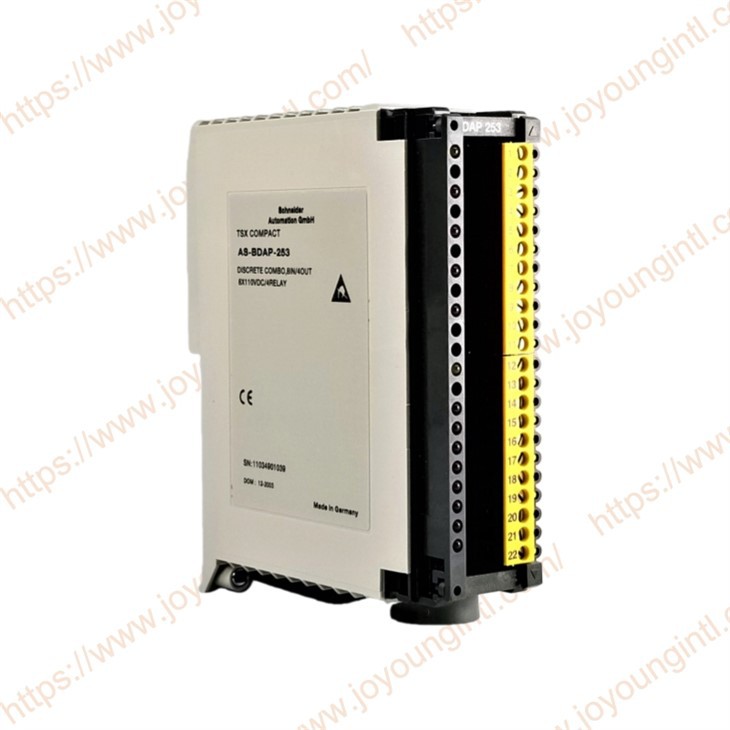
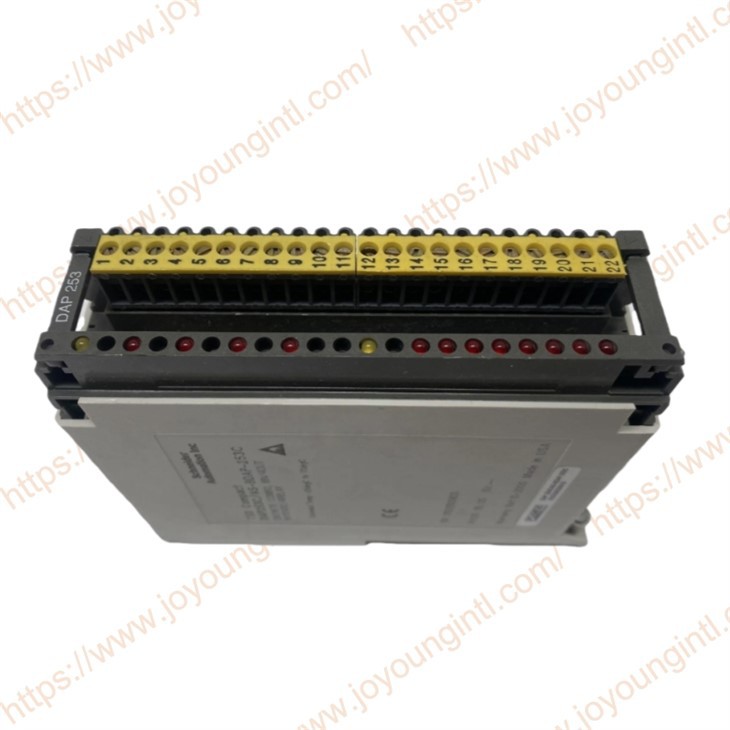
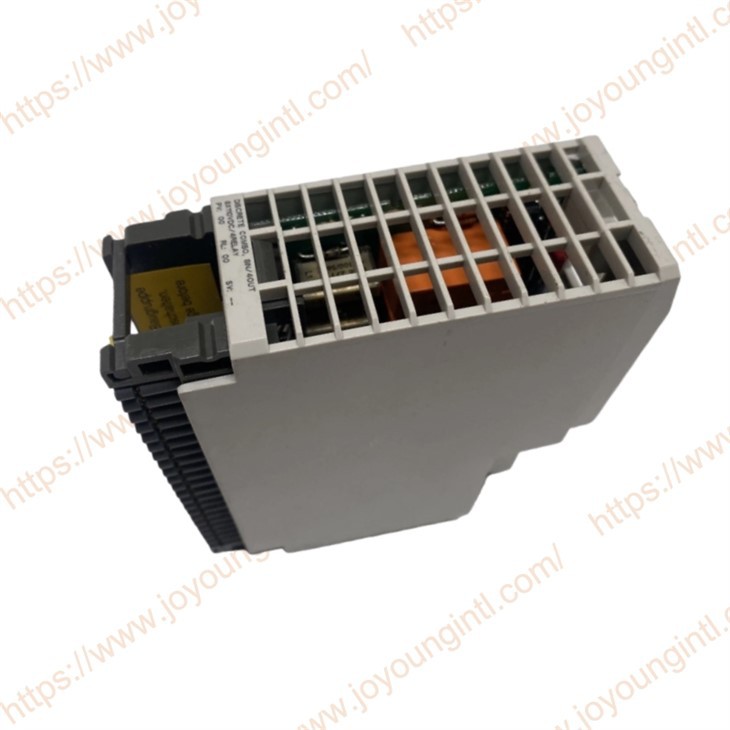
AS-BDAP-253 is a discrete output module in the Schneider Electric Modicon TSX Compact automation platform. This module mainly plays the role of the "execution layer" in the PLC control system, used to stably and reliably output the logical operation results inside the controller to the on-site execution equipment, achieving control actions such as the start/stop, switching, and status indication of industrial equipment.
Technical Specifications
|
Brand |
Modicon |
|
Model |
AS-BDAP-253 |
|
Part Number |
AS-BDAP-253 |
|
Description |
Discrete Output Module |
|
Origin |
France / USA |
|
Dimension |
35*20*10cm |
|
Weight |
0.3kg |
AS-BDAP-253 Signal conversion method
Signal conversion method
Mapping of logical signals to physical signals
The control signals within the PLC system are usually digital logic values (for example, 1 represents activation and 0 represents deactivation), and these signals rely on the calculations and decisions of the PLC. AS-BDAP-253 is responsible for converting these 0/1 states into the actual electrical control actions that can be performed by external devices. This process is achieved through the closing and opening of relay contacts.
Relay closed: This indicates the "enabled" state, allowing current to pass through and enabling the external load to start functioning (such as starting workshop equipment, starting motors, etc.).
Relay disconnected: Indicates the "disabled" state, where the current is cut off, and the external load stops functioning or returns to its initial state (such as equipment shutdown, status reset, etc.).
The operating principle of relays
A relay is essentially an electrical switch that operates based on the principle of electromagnetism. When the PLC sends a control signal, the coil inside the relay generates an electromagnetic force, causing the switch contacts to undergo a physical displacement, thereby completing the connection or disconnection of the circuit.
The changes in the switch contacts are directly mapped to the "on" or "off" states. The response behaviors of all external devices (such as machine startup, sensor response, etc.) correspond to this change.
This "on/off" control achieved through relays is the most widely used signal conversion method in industrial automation, and is particularly suitable for scenarios that require control of high-power loads.
Conversion characteristics of output types
The output function of the AS-BDAP-253 Discrete Output Module is very simple and intuitive. Each output channel is equivalent to an independent switch channel. The logic judgment result of the PLC directly affects the operation of external equipment through the closing and opening of relay contacts.
The output signal is entirely digital, with only two states: "on" and "off". There is no transitional state for analog output, which ensures the accuracy and reliability of the operation in industrial control.
Unlike the analog output, the output signal of AS-BDAP-253 Discrete Output Module does not involve the regulation of current or voltage. It merely switches between two states, thereby simplifying the control and system design.
Anti-interference Design and Electrical Isolation
To prevent external interference from adversely affecting the control system, AS-BDAP-253 Discrete Output Module effectively prevents voltage fluctuations or electrical noise at the load end from being transmitted to the PLC main control system through the electrical isolation design of relays. This design enhances the adaptability of the module to harsh environments while ensuring the accuracy of the output actions.
Electrical isolation: There is complete isolation between the relay outputs within the module and the PLC control system, thereby avoiding potential electrical noise, surge voltages, and other disturbances, ensuring the stability of the system.
In some highly demanding situations, the electrical isolation feature of relays can effectively protect the PLC system from unexpected influences on the load side, thereby extending the lifespan of the entire automation system.
AS-BDAP-253 Output structure and working mechanism
Each output channel controls the external device through independent relay contacts. The contacts switch according to the control signal of the PLC, and they are in either normally open or normally closed forms.
The control signals (1 or 0) sent by the PLC drive the opening and closing of the relay contacts. 1 indicates closure (activating the equipment), while 0 indicates opening (stopping the equipment).
Supporting a wide voltage range from 24V DC to 250V AC, the relay is capable of handling high current loads and can meet the control requirements of various industrial equipment.
The relay provides electrical isolation, preventing electrical interference from the load side from affecting the PLC system, enhancing the anti-interference capability, and ensuring the stability of the system.
We are here for you